

Uses in Aromatherapy
Available in 5 g and 10 g - 50 g - 100 g - 500 g - 1 kg bottles
Discover the excellence of rare essential oils from Japan, now available in Europe. These unique creations, born of ancestral traditions and Japanese natural resources, are distinguished by their exceptional scents and unrivalled quality. Designed to awaken your senses and enrich your rituals, they are the result of artisanal expertise passed down from generation to generation.

Using our oils in aromatherapy

Hinoki essential oil
Chemotyped: Yes
Botanical name: Chamaecyparis obtusa
Botanical family: Cupressaceae
Distilled part: Steam distillation of wood.
Origin: Japan (Kansai - Honshu Island)
Smell: Woody, fresh balsamic, citrusy and sweet.
Hinoki essential oil (檜 or ヒノキ), derived from Japanese cypress, is highly prized in Japanese aromatherapy and natural wellness practices. It has a woody, fresh and slightly lemony scent, reminiscent of Japan's coniferous forests.
Main benefits in aromatherapy
- Calming effect / stress reduction, mental relaxationThe woody, resinous, slightly lemony/spa aroma of hinoki is known to induce a soothing atmosphere, help calm the mind, reduce anxiety and promote a feeling of centring.
- Better sleepWhen diffused or added to the bath before bedtime, it helps create a relaxing atmosphere conducive to restful sleep.
- Respiratory supportIt can help clear the airways, relieve nasal congestion, or in cases of coughs.
- Antimicrobial/antifungal/antiseptic propertiesIt is used to purify the air (in a diffuser), combat bacteria or fungi, deodorise, and for skin care in cases of blemishes or irritation.
- Anti-inflammatory/soothing effect on the skinFor redness, small cuts, irritations, insect bites, etc. It is gentle, so it is suitable for sensitive skin (when well diluted in a vegetable oil).
- Emotional/meditative/spiritual useHinoki oil is also used to accompany meditation, moments of inner retreat, to purify the atmosphere, promote presence and mental clarity.
- Natural deodorisation/air purificationIts fresh woody scent makes it a good ally for neutralising odours in rooms or in natural household products.
- Relieving muscle pain/tensionWhen diluted in vegetable oil and used in massage, it acts as a muscle relaxant and relieves tension.
Some of the main components
Some molecules often found in hinoki oil:
- α-pinene — respiratory, expectorant and anti-inflammatory effects.
- δ-cadinene — basic sesquiterpene-type molecules, providing stability, sometimes anti-inflammatory, relaxing.
- δ-amorphene, α-muurolene — other woody/sesquiterpene components that give depth to the aroma and contribute to the calming and antiseptic effects.
Precautions and methods of use
- Dilution: always dilute before use on the skin. For example, 1 drop of hinoki for 10 drops of carrier oil (≈ 5-10%) depending on use.
- Patch test: on a small area of skin to check tolerance.
- Avoid contact with eyes, mucous membranes, damaged skin.
- Pregnancy, breastfeeding: consult a professional before use (some recommend avoiding at least during the first few months).
- Do not ingest unless under medical/licensed supervision.
- Storage: store away from light and heat to preserve properties.

Essential oil of Kuromoji
Chemotyped: Yes
Botanical name: Lindera umbellata
Botanical family: Lauraceae
Distilled part: Steam distillation of wood.
Origin: Japan (Minamiaizu)
Smell: Fresh, green and slightly spicy
Main benefits in aromatherapy
- Relaxing effect / stress reductionA clinical study involving foot baths shows that the use of Lindera umbellata oil significantly increases the activity of the parasympathetic nervous system, which is linked to a state of relaxation. In the same protocol, scores for ‘tension-anxiety’, ‘depression’, ‘fatigue’ and “confusion” decreased after the foot bath, and more specifically, feelings of ‘anger-hostility’ decreased only with the oil.
- Anti-inflammatory actionIn cell culture (RAW 264.7 macrophages), kuromoji essential oil inhibits the production of pro-inflammatory cytokines (e.g. IL-6, TNF-α) and nitric oxide, and reduces the expression of certain inflammatory enzymes.
- Dominant chemical componentsAmong the most prevalent molecules are linalool (known for its soothing, anti-anxiety effects), α-pinene, limonene, camphene, 1,8-cineole, α-terpineol, geraniol, etc.
- Deodorising effect/odour eliminationL. umbellata essential oil has been shown to neutralise certain strong odours (such as ammonia, isovaleric acid, etc.).
- Positive psychological effectsIn addition to reducing stress, users of a L. umbellata foot bath report a feeling of comfort, warmth and mental calm after use.
Potential therapeutic/aromatherapeutic uses
Based on this data, the following uses can be considered:
- Inhalation or diffusion to calm anxiety, anger and stress.
- Massage diluted (in vegetable oil) applied to the skin to soothe mild local inflammation or muscle pain (if well diluted).
- Natural deodorising or cleaning products (air, textiles, shoes) due to its odour-eliminating effect.
- In cosmetics, for sensitive or inflammation-prone skin, or as an antioxidant, antiseptic, etc.
Precautions
- As with all essential oils, dilution is necessary before skin use to avoid irritation.
- Do not ingest unless under professional supervision.
- Avoid contact with eyes and mucous membranes.
- Pregnant women, children, or sensitive individuals should seek medical advice.
- Test on a small area of skin (patch test).
Energetic and spiritual dimension (Japanese tradition)
In the Shinto tradition, the kuromoji is a sacred protective tree, often planted near temples.
Its essential oil is used to:
- Purify the energy of a place,
- Promote inner clarity,
- Strengthen peace of mind and a sense of unity with nature.
When inhaled, it evokes quiet wisdom and a connection to the Earth and the Sky — a bridge between grounding and inspiration.

Essential oil of Sugi
Chemotyped: Yes
Botanical name: Crytomeria japonica
Botanical family: Cupressaceae
Distilled part: Steam distillation of wood.
Origin: Japan (Minamiaizu)
Smell: distinct, fresh, woody, resinous and slightly sweet
Main benefits in aromatherapy
- Relaxation, stress reduction, mental well-being
- Inhaling Cryptomeria japonica vapours after a monotonous task increases the level of salivary dehydroepiandrosterone sulphate (DHEA-S), indicating an effect on stress-related endocrine regulation. It appears to decrease the activity of the sympathetic nervous system, which promotes relaxation. Subjects exposed to the aroma of Cryptomeria japonica report improved mood, psychological rest after monotonous work, etc.
- Antimicrobial/antifungal properties The essential oil shows activity against bacteria (Gram + and Gram -) and fungi.
- It can help purify the air or surfaces and deodorise.
- Anti-inflammatory/antioxidant properties Some studies highlight anti-inflammatory and antioxidant activity. Potential to help with mild pain and muscle tension (use in massage, for example).
- Respiratory support: The oil contains monoterpenes such as α-pinene, which can help clear the airways and act as an expectorant. It is sometimes found in blends or used to relieve congestion, etc.
- Various effects/traditional uses: Rheumatism, muscle pain. Improves blood circulation. Cosmetic use: for oily skin/blemishes thanks to its antimicrobial properties. Insect repellent/use against mosquito larvae in some cases.
Major components.
Some important molecules in this essential oil:
- α-pinene, sabinene — give resinous/woody/pine resin scents and contribute to the effects on the respiratory tract.
- Terpinen-4-ol, α-terpineol — with antimicrobial and anti-inflammatory effects.
- Other sesquiterpenes, sesquiterpene alcohols — enhance the relaxing and even protective properties.
Precautions for use
- Always dilute the essential oil before applying to the skin (in a vegetable oil).
- Perform a tolerance test (patch test) to avoid the risk of irritation or sensitisation.
- Take contraindications into account (pregnant or breastfeeding women, depending on sources).
- Internal use: avoid unless under the supervision of an aromatherapy expert/doctor.
- Do not inhale excessively, especially if you have respiratory problems or allergies.
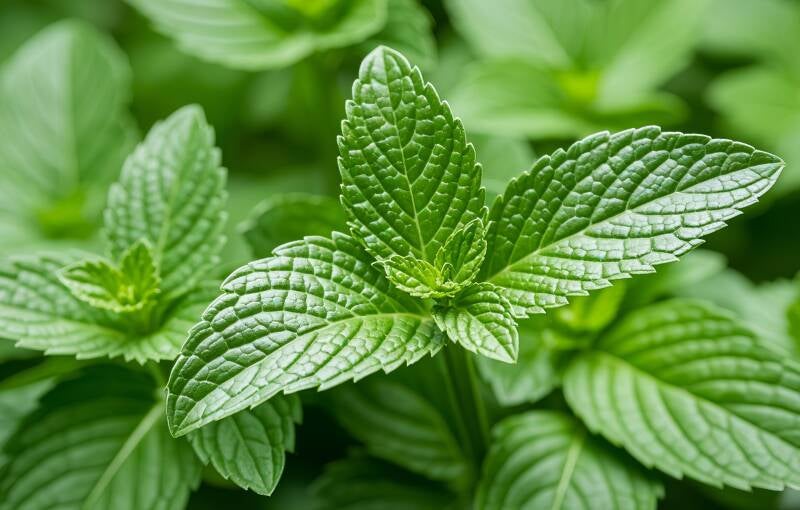
Hakka essential oil
Chemotyped: Yes
Botanical name: Mentha arvensis (field mint)
Botanical family: Lamiaceae
Distilled part: Steam distillation of the leaves.
Origin: Japan (Aïzu)
Smell: very sharp, cooling, menthol-forward smell
Main properties
- Refreshing effect / feeling of freshnessThanks to its high menthol content, it provides an immediate feeling of freshness, useful for cooling down, soothing itching or relieving heat.
- Respiratory reliefIt helps clear the airways in cases of congestion, colds and sinusitis. Inhaling menthol is a good decongestant.
- Analgesic/pain-relieving effectFor headaches, muscle and joint pain. Menthol has an analgesic and slightly local anaesthetic effect, useful when applied topically (diluted) or inhaled.
- Mental stimulation/clarity, concentrationIts sharp minty scent stimulates and awakens the mind, helping you to concentrate, be more alert and dispel mental fatigue.
- Digestive effectIt helps relieve mild digestive disorders: bloating, flatulence, nausea and slow digestion.
- Antimicrobial/antiseptic propertiesMentha arvensis oil is effective against certain bacteria and fungi. It is used in skin care products, as well as for oral hygiene and disinfection.
- Tonic/stimulantIn small doses, it can act as a tonic, providing a boost and stimulating circulation.
Typical uses
- Diffusion/inhalation: to clear the respiratory tract, freshen the air, and stimulate the mind.
- Diluted massage: to relieve muscle or joint pain and headaches, apply to the temples (always well diluted).
- Compresses or poultices: to soothe painful or congested areas.
- Baths or feet: a few drops in hot water to relax muscles or relieve fatigue.
- Moderate skin use: with carrier oil, for localised irritation and itching, but test on a small area first.
Precautions
- Dilution: essential for skin application, in moderate percentages (e.g. 1-2% for adults, even less for children).
- Avoid mucous membranes/eyes: menthol can be irritating.
- Children/babies: avoid or use very sparingly (often not recommended under a certain age).
- Pregnancy/breastfeeding: seek professional advice.
- Sensitive or allergic individuals: test on a small area of skin first.
- Do not ingest unless under specific supervision, according to medical standards.

Essential oil of Hiba
Chemotyped: Yes
Botanical name: Thujopsis dolabrata
Botanical family: Cupressaceae
Distilled part: Steam distillation of wood and twigs.
Origin: Japan (Aomori)
Smell: Deeply woody and resinous, camphoraceous, warm cedar-like sweetness
Chemical composition / main characteristics
- The oil is obtained by steam distillation of the wood (xylem) of Thujopsis dolabrata.
- Extraction rate: approximately 1-1.5% of the wood essence.
- Main components:
- Thujopsene (very high) — gives the strong, rich and persistent woody scent.
- Cedrol — often associated with sweet woody scents, relaxing effect.
- Hinokitiol (aka β-thujaplicin) — known for its antibacterial and antifungal properties.
- Other sesquiterpenes and hydrocarbons typical of resinous woods (cuprenes, himachalene, etc.).
- Smell/aromatic profile: woody, rich, sometimes resinous, dry, slightly smoky or earthy, with a sweet undertone.
Potential benefits/uses in aromatherapy
According to traditional sources and a few studies, here are some of the potential uses of Thujopsis dolabrata essential oil:
- Antimicrobial/antifungal/antiseptic properties
- Hinokitiol is very active against various microorganisms, including certain difficult fungi and bacteria.
- The oil is used to protect against mould and fungi, and for the maintenance (and even protection) of wooden structures in Japan (e.g. temples) precisely because of this ability.
- Insect repellent/repellent effects
- Thujopsene, among other compounds, helps to repel certain insects. The oil is traditionally used for this purpose.
- Relaxing effect / sleep aid
- Cedrol, a secondary but significant component, is often associated with calming and sleep-inducing effects. The woody, sweet and warm aroma of the oil can help to create an atmosphere conducive to relaxation and sleep.
- Air purification/healthy atmosphere
- Thanks to its antimicrobial and antiseptic properties, the oil is used in diffusion or in spaces to purify the air and combat unpleasant odours and airborne pathogens.
- Skin support/skin care (secondary)
- Some sources mention uses for improving skin conditions, soothing irritations, or as an ingredient in shampoos or hair products (for dandruff and irritated scalps) due to its antifungal and antibacterial properties.
- Mental well-being/grounding, feeling of comfort
- The deep, woody aroma, often described as ‘soothing,’ ‘comforting,’ and ‘warm,’ promotes relaxation, stress reduction, and a sense of mental stability.
Precautions
As with any essential oil, certain precautions should be taken:
- Dilution is necessary for any application to the skin, especially for sensitive individuals.
- Perform a skin tolerance test (patch test).
- Keep away from eyes and mucous membranes, and avoid use on damaged skin.
- Pregnant women, nursing mothers, children: seek professional advice.
- Check the purity of the product (certified origin, Hiba wood, distillation method) to avoid contaminants or adulterated oils.
- Do not ingest unless under specialised supervision.

Essential oil of Yuzu
Chemotyped: Yes
Botanical name: Citrus juno
Botanical family: Rutaceae
Distilled part: zest
Origin: Japan (Kochi -Skikoku)
Smell: Fresh, zesty and uplifting, bright, sharp
Properties and benefits
- Relaxing effect, stress/anxiety reductionThe aroma of yuzu (fresh, lively citrus scent) relaxes the nervous system, relieves tension and anxiety, and improves mood. For example, inhaling it for 10 minutes reduces stress markers, affects heart rate, etc.
- Positive emotional effects/mental well-being Yuzu is described as invigorating, energising, but also calming: it “brightens” the mind and helps with mental fatigue, nostalgia and nervousness.
- Immunostimulant/antimicrobial/anti-inflammatory properties
- Limonene, a major component of yuzu, gives it anti-inflammatory, antibacterial and antiseptic effects.
- Useful for colds, congestion, purifying the air or helping to reduce mucus.
- Respiratory supportWhen diffused or inhaled, it helps to clear the airways and relieve mild respiratory symptoms.
- Digestive effect / internal comfort Yuzu can help stimulate digestion and relieve digestive spasms and discomfort such as cramps or bloating.
- Toning effect / circulation stimulation Diluted massage or topical application (with carrier oil) can help stimulate blood circulation, ‘warm’ tissues and relax muscles after fatigue.
- Cosmetic use / skin
- Antioxidant properties, useful for protecting the skin against free radicals.
- Helps to brighten the complexion, even out and purify oily or blemish-prone skin.
- Good for sleep / relaxing ritualWhen used in the bath or diffused in the evening, yuzu can help calm mental agitation and prepare you for rest. The Japanese tradition of yuzuyu (yuzu bath at the winter solstice) reflects this use.
Important chemical composition
- Limonene (often the main component, ~70-80%): anti-inflammatory, detoxifying, antibacterial, highly volatile, contributes to the fresh scent.
- γ-terpinene: contributes to antioxidant, antimicrobial and sometimes antispasmodic properties.
- Beta-phellandrene, myrcene, ocimene, etc.: contribute to the aroma, as well as secondary effects such as toning, stimulating circulation and energy.
- Certain rare compounds such as yuzunone and yuzuol (in some oils) give floral or balsamic nuances.
Precautions
- As with many citrus oils, there is a risk of photosensitivity: avoid direct exposure to sunlight after skin application, especially with pressed oils.
- Skin irritation is possible: always dilute in a carrier oil and perform a patch test.
- If the oil is old or poorly stored, it may oxidise, increasing the risk of reaction.
- In case of pregnancy, breastfeeding, or use on children: seek professional advice. (Although some brands are labelled ‘KidSafe’, caution is still advised.)

Todomatsu essential oil
Chemotyped: Yes
Botanical name: Abies sachalinensis
Botanical family: Pinaceae
Distilled part: Steam distillation of wood.
Origin: Japan (Minamiaizu)
Smell: Fresh, crisp and green woody, slightly balsamic, clean calming
General information
- Abies sachalinensis is a coniferous tree belonging to the Pinaceae family, native to Sakhalin Island, the Kuril Islands, and northern Hokkaido in Japan.
- The essential oil is obtained by steam distillation of the leaves, twigs (needles, twigs).
Main documented benefits
- Relaxing effect / stress reduction
- The woody, fresh, balsamic scent of Abies sachalinensis has anxiolytic qualities: it helps calm the nerves and alleviate mental fatigue.
- The forest scent provides a feeling of presence and grounding, often used in diffusion to relax the atmosphere.
- Antifungal/antimicrobial properties
- The essential oil has antifungal activity.
- It is also used to purify the air or as an ingredient in ‘phytoncidal’ blends for its antiseptic/antimicrobial effects.
- Improved air quality / detox / purification
- One of the noted uses of this essential oil is its ability to eliminate nitrogen dioxide (NO₂), making it an ally in purifying the surrounding air.
- Its natural forest scent also helps to mask or neutralise unpleasant odours.
- Antioxidant
- The study ‘Improving the Efficiency and Antioxidant Activity...’ shows that the essential oil of A. sachalinensis has antioxidant capacity; certain extraction methods (e.g. underwater shock wave treatment) can significantly increase this antioxidant activity.
- Traditional uses / massage / physical well-being
- It is used in massage to relax muscles and relieve tension. (
- It may have moderate anti-inflammatory effects, helping to relieve joint or muscle stiffness (always diluted).
- Respiratory support
- Inhaled or diffused, it helps clear the airways or soothe respiratory discomfort.
Limitations, points to check & precautions
- Although antifungal effects have been documented, studies remain fairly limited: many effects have been observed in vitro or in preliminary studies. Do not consider it a guaranteed remedy for serious infections.
- As with all woody/coniferous essential oils: risk of skin irritation if used undiluted, especially on sensitive skin — always dilute in a vegetable oil.
- When inhaling or diffusing, monitor people with asthma or respiratory problems: pine/fir essences can be stimulating or irritating depending on the components.
- Children, pregnant or breastfeeding women: consult a professional before use.

Essential oil of Koyamaki
Chemotyped: Yes
Botanical name: Sciadopity verticillata
Botanical family: Ciadopityaceae
Distilled part: Steam distillation of branches and leaves.
Origin: Japan (Wakayama)
Smell: woody, earthy, fresh, with ‘deep forest’ / “balsamic” / ‘green’ tone
Composition & characteristics
- It is steam distilled from the branches and leaves (or twigs) of Sciadopitys verticillata.
- The oil yield is quite low (≈ 0.1%), which makes it rarer/more valuable.
- Main reported components:
- α-pinene (major component)
- β-pinene
- Myrcene
- Limonene
- Terpinen-4-ol (and other sesquiterpenes or woody compounds)
- The aroma is described as woody, earthy, fresh, with ‘deep forest’ / “balsamic” / ‘green’ tones, etc.
Benefits & possible uses in aromatherapy
Based on what I have found, here is what Sciadopitys verticillata could offer or be useful for:
- Calming, mind-clearing effectIts woody + fresh scent helps to ‘clear’ the mind, clarify thoughts and improve concentration. It is used in meditation or when you want a fresh forest atmosphere.
- Air purification / respiratory supportLike many conifers, it has antimicrobial or antiseptic properties, which can help purify spaces, ease breathing in cases of congestion, or relieve sinus pressure.
- Relief from joint/muscle pain/tensionWhen used in massage (well diluted), it may help to soothe muscle tension, mild pain, or joint fatigue.
- Traditional useAccording to traditional sources, it is used in Japan in aromatic baths or ‘inunctions’ (massages, external applications) for pain and respiratory disorders (bronchitis).
- Forest bathing effect / emotional well-beingThe forest aroma, with its ‘green’, “earthy” and ‘woody’ notes, provides a feeling of calm, grounding and connection to nature. Useful for stress, mental fatigue or to refocus.
- Skin careSources indicate that the oil (or extract) of Sciadopitys verticillata is used in cosmetics for its softening and emollient qualities and to help maintain the skin barrier and smooth the skin.
Precautions & limitations
- Risk of skin irritation: always dilute in vegetable oil, perform a patch test before extensive use.
- Do not ingest unless under professional supervision or if certified for internal use (which is rare).
- For pregnant women, nursing mothers, children, or people with respiratory conditions: use with caution / seek medical advice.
- The strong conifer scent may not be suitable for everyone: may be too resinous/“green” for some sensitivities.

Essential oil of Getto
Chemotyped: Yes
Botanical name: Alpinia zerumbet
Botanical family: Zingiberaceae
Distilled part: Steam distillation of leaves and stems.
Origin: Japan (Okinawa)
Smell: tropical ginger leaves with a hint of floral sweetness
Main properties & documented effects
- Antioxidant, anti-ageing and anti-pigmentation effects
- Analgesic/pain-relieving effect
- When administered orally in animal models, the essential oil reduced pain in several tests (hot plate, acetic acid, formalin) in a dose-dependent manner.
-
- Essential oils from Alpinia zerumbet (varieties ‘tairin’ and ‘shima’) show strong antioxidant activity and the ability to trap free radicals (DPPH, ABTS, etc.).
- They inhibit enzymes linked to skin ageing such as collagenase, elastase, hyaluronidase and tyrosinase. This helps to slow down the signs of ageing, maintain skin firmness and smoothness, and limit excessive pigmentation.
- Cardiovascular/autonomic effects
- In rats with chemically induced heart attacks, pre-treatment with essential oil reduced sympathetic modulation (reducing stress on the autonomic nervous system) even though it did not alter all cardiac lesions.
- Anti-inflammatory activity/vascular protection
- The essential oil of the fruit (Fructus) helps protect endothelial cells (inner layer of blood vessels) from inflammatory damage, particularly in lipopolysaccharide (LPS)-induced models. It reduces the expression of adhesion molecules (ICAM-1, VCAM-1), which are involved in vascular inflammation.
- Antimicrobial/antifungal activity
- The essential oil from the leaves/rhizomes has antifungal activity against various pathogenic fungi (Fusarium, Phytophthora, etc.).
- Some studies also mention antimicrobial/larvicidal effects.
Possible uses in aromatherapy
Based on these properties, possible uses include:
- Diffusion/inhalation to calm anxiety, improve mood, promote relaxation and sleep.
- Diluted massage to relieve muscle or joint pain, or for relaxation.
- Skin care: creams or serums containing the essential oil or its extracts for its anti-ageing effects, for pigmentation, protection against oxidative ageing.
- Aid for the cardiovascular system, as a support (but not as a sole treatment) for the effects of stress, high blood pressure, etc.
- Antimicrobial/antifungal products: in air sprays, natural deodorants, or cosmetics (shampoos, lotions) to combat fungi or bacteria.
Precautions & limitations
- Do not use undiluted on the skin: risk of irritation. Always dilute in a suitable vegetable oil.
- Pregnant or breastfeeding women, children, people with serious health problems: consult a professional before use.
- Check the quality of the essential oil (purity, composition, origin, distillation method). Certain variations depending on region/variety (tairin, shima) may alter the effects.

Essential oil of Kabosu
Chemotyped: Yes
Botanical name: Citrus sphaerocarpa
Botanical family: Rutaceae
Distilled part: Steam distillation of wood.
Origin: Japan (Oïta prefecture (Kyushu)
Smell: Fresh, tangy, and uplifting, green, slightly herbaceous nuance.
Chemical composition & characteristics
- The essential oil is extracted from the peel (zest) of the fruit of Citrus sphaerocarpa (kabosu).
- Yield: approximately 1.55% (wet peel weight) when extracted with supercritical CO₂ under certain conditions.
- Main components:
- Hydrocarbon monoterpenes (~ > 94.6%)
- Limonene (≈ 70.5%)
- Myrcene (≈ 20.2%)
- A small proportion of aldehydes, alcohols, and esters in the oxygenated fraction of the oil.
- Aromatic compounds such as (R)-(+)-citronellal are also found, giving it a characteristic odour.
- In addition, the compound auraptene, a bioactive coumarin, is present in some extracts.
Potential benefits/effects in aromatherapy
Based on its composition (high content of limonene, myrcene, citronellal, etc.) and traditional uses/descriptions by sellers, here is what Citrus sphaerocarpa (kabosu) could offer:
- Stimulating/refreshing effectThe aroma is described as fresh, lively, tangy, lemony—it may help awaken the senses, stimulate alertness, and improve mental energy.
- Relaxing/anti-stress actionAlthough stimulating, some descriptions also mention an ability to ‘calm the mind’ or ‘soothe’ when diffused, alleviating anxiety. This may come from volatile compounds that balance the energising effect of limonene.
- Antimicrobial/mild anti-inflammatory effect Kabosu is indicated as an antimicrobial agent, potentially useful for purifying the air, or when diluted and applied to the skin to support oily or blemish-prone skin.
- Cosmetic use / skin/hair care
- Because the oil is light and has fresh monoterpenes, it can be useful for refreshing the skin or helping to balance sebum secretions.
- Kabosu zest is sometimes used as a fragrance in cosmetics or skincare products because of its pleasant, tangy scent.
- Antioxidant effect / metabolic health
- The study on CO₂ extraction mentions the presence of auraptene, a bioactive compound that has been studied for its anti-cancer properties and effects on metabolic syndrome.
- This suggests potential benefits in terms of general support and cell protection.
Limitations, what we don't know yet
- The number of clinical studies or human trials for Kabosu is limited. Much of what is proposed is based on chemical composition or traditional/marketing uses.
- Mild anti-inflammatory or antimicrobial effects: these may help for moderate uses, but not as a substitute for medical treatment when conditions are more serious.
- Like many citrus oils, there is a risk of photosensitisation (skin reaction to sunlight) if applied neat or undiluted after UV exposure — although I have not found any explicit mention of this risk for Citrus sphaerocarpa, it is prudent to consider it.
Precautions for use
- Always dilute in a vegetable oil before applying to the skin.
- Perform a patch test to avoid an allergic reaction.
- Avoid contact with the eyes.
- If applied to the skin, avoid direct exposure to sunlight for at least 12 hours as a precaution (photosensitivity).
- Pregnant women, children, people with skin conditions or sensitive skin: consult a professional before use.
- Ensure the quality of the oil (purity, extraction method, origin) — this has a significant impact on its effectiveness and safety.
Huile essentielle de Sudachi citrus sudashi
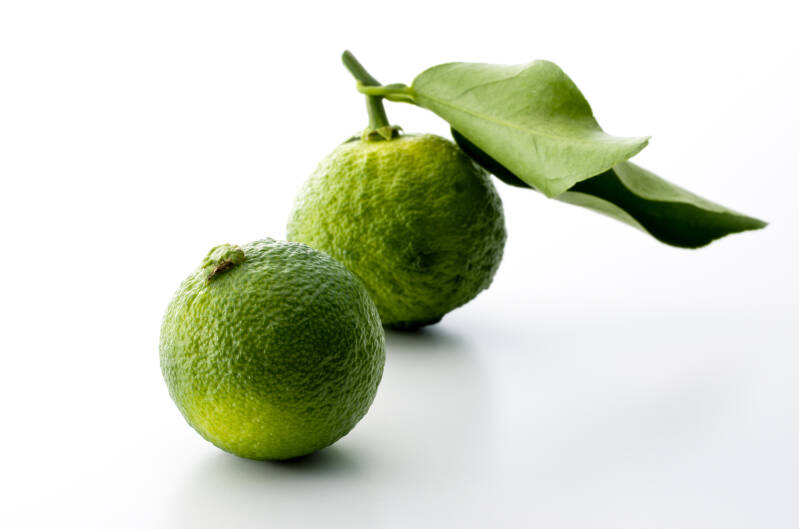
Essential oil of Sudachi
Chemotyped: Yes
Botanical name: Citrus
Botanical family: Rutaceae
Distilled part: Steam distillation of wood.
Origin: Japan (Takushima prefecture)
Smell: Bright, sharp, and very fresh, herbaceous citrus.
What the research says
- Immunomodulatory/anti-inflammatory effect
- A study (in vitro and in vivo) shows that Citrus sudachi essential oil suppresses T-cell activation and reduces the functions of dendritic cells (antigen-presenting cells).
- This suggests that it could help modulate overly strong immune responses and even calm certain types of inflammation linked to the immune system.
- Antioxidant effect
- Sudachi contains high proportions of compounds such as limonene, as well as ‘sudachitins’ (antioxidant molecules), according to supplier descriptions.
- The essential oil is used in studies/cultures or cosmetics for its ‘antioxidant’ properties, which are useful against oxidative stress.
- Effect on mood/relaxation/revitalisation
- According to sellers, its ‘fresh, uplifting, lemony/mandarin citrus aroma with gently spicy undertones’ provides a refreshing sensation, stimulating the mind and helping to calm anxiety or stress.
- It is said to be ‘soothing/calming to the mind’ while being stimulating for the body.
- Use for skin/cosmetic care
- Antimicrobial, anti-inflammatory: it is described as useful for oily or blemish-prone skin, to normalise sebum secretion.
- ‘Detoxifying’ or cleansing (purifying) properties.
- Effect on digestion or circulation (according to tradition)
- In commercial descriptions, we find that the oil, when used in massage, can stimulate circulation and the digestive system, helping to ‘cleanse’ the body.
- However, I have not found any rigorous clinical studies confirming this use for sudachi.
Chemical composition (useful for understanding the effects)
- Limonene is often mentioned as the main component (and common to citrus oils).
- Sudachitins B, C, and D are indicated as antioxidants specific to sudachi.
- Other monoterpenes such as γ-terpinene, β-phellandrene, etc. give the oil its characteristic lemony scent but with spicy or herbaceous notes depending on the ripeness of the fruit.
Possible uses
Here's how you can use it to reap these benefits:
- Diffusion/inhalation: a few drops in a diffuser to freshen the air, boost your mood and calm mental tension.
- Diluted massage: mixed with a vegetable oil for application to the skin, especially for areas prone to impurities or inflammation, or to stimulate circulation.
- Cosmetic care: in creams, serums, lotions for oily or combination skin, or for beauty oils that combine antioxidant properties.
- Relaxation: in the bath or as an atmospheric mist to create an invigorating yet gentle atmosphere.
Precautions
- Like many citrus oils, photosensitivity: skin use should be followed by a period without sun exposure to avoid skin reactions. Although I have not found any explicit mention of Citrus sudachi, this is a standard precaution for citrus zest oils.
- Always dilute (carrier oil) to avoid irritation or sensitisation.
- Skin test (patch) recommended.
- Pregnant women, children, people with sensitive skin or allergies: consult a healthcare professional.
- Storage: oils with high limonene or volatile compounds oxidise, so store away from light and heat in a tightly closed bottle.

Essential oil of Naoshichi
Chemotyped: Yes
Botanical name: Citrus Taguma-sudachi
Botanical family: Rutaceae
Distilled part: Steam distillation of zest
Origin: Japan (Shizuoka prefecture)
Smell: Bright, tangy, yet smooth, fresh citrus top note.
What is Citrus taguma / Naoshichi
- Naoshichi is a rare citrus fruit from Japan, related to sudachi, but closer to mandarin in some respects (size, taste, later ripening).
- The essential oil is extracted from the peel (zest) of the green fruit, which is hand-picked without solvents, according to some sellers' descriptions.
- It offers a ‘bright citrus’ fragrance that is lively and tangy, but with a sweet, balanced nuance that is less aggressive than some citrus fruits.
Chemical composition
- Studies (e.g. ‘Japanese Sour Citrus Fruits. Part IV. Volatile Compounds of Naoshichi and Tahiti Lime Essential Oils’) show the volatile composition of Naoshichi via GC-MS. It contains dominant monoterpenes (monoterpene hydrocarbons) as in many citrus fruits.
- Although I have not found a complete detailed list in the sources I have checked, it is reasonable to expect that Citrus taguma contains components common to citrus oils: limonene, myrcene, possibly aldehydes, etc.
Possible benefits in aromatherapy
Based on what we know about its composition and similar uses in citrus fruits, here are some plausible benefits for Citrus taguma:
- Energising/stimulating effectThe fresh, tangy, lively aroma of this citrus fruit can help awaken the mind, improve mental vitality and stimulate concentration. Useful in the morning or during moments of mental fatigue.
- Effect on mood/stress reductionLike many citrus oils, it can have a toning effect, but also a soothing effect, relieving mental tension or anxiety. The ‘invigorating but gentle’ scent can promote a positive atmosphere.
- Antioxidant propertiesCitrus fruits generally contain antioxidant compounds that can help combat oxidative stress – potentially useful in cosmetics or as general support. Citrus taguma oil may share these properties.
- Deodorising/air purifying effectA fresh citrus aroma is often used to purify the air, mask odours and bring a feeling of cleanliness and freshness.
- Cosmetic/skin useWhen applied topically (diluted), the oil may help brighten the complexion, refresh the skin and possibly have a mild antibacterial effect thanks to its monoterpenes.
Precautions
- As with all citrus oils, there is a risk of photosensitivity: avoid exposure to sunlight after applying untreated zest to the skin.
- Always dilute in a carrier oil for topical use.
- Perform a patch test if you have sensitive skin.
- Use with caution if you are pregnant/breastfeeding or if the user is a child.
- Ensure quality: pure, well-extracted oil, unaltered, free of solvents or harmful additives.